A thoughtful book review of Origin by Nat Cardozo, celebrating Indigenous Peoples cultures, biodiversity, and our shared connection to the Earth, plus a meaningful book extension activity for kids.
Disclosure: This post contains Amazon affiliate links. As an Amazon Associate I earn from qualifying purchases. I received this book as Book Reviewer for Read Your World.
A Beautiful and Powerful Children’s Book
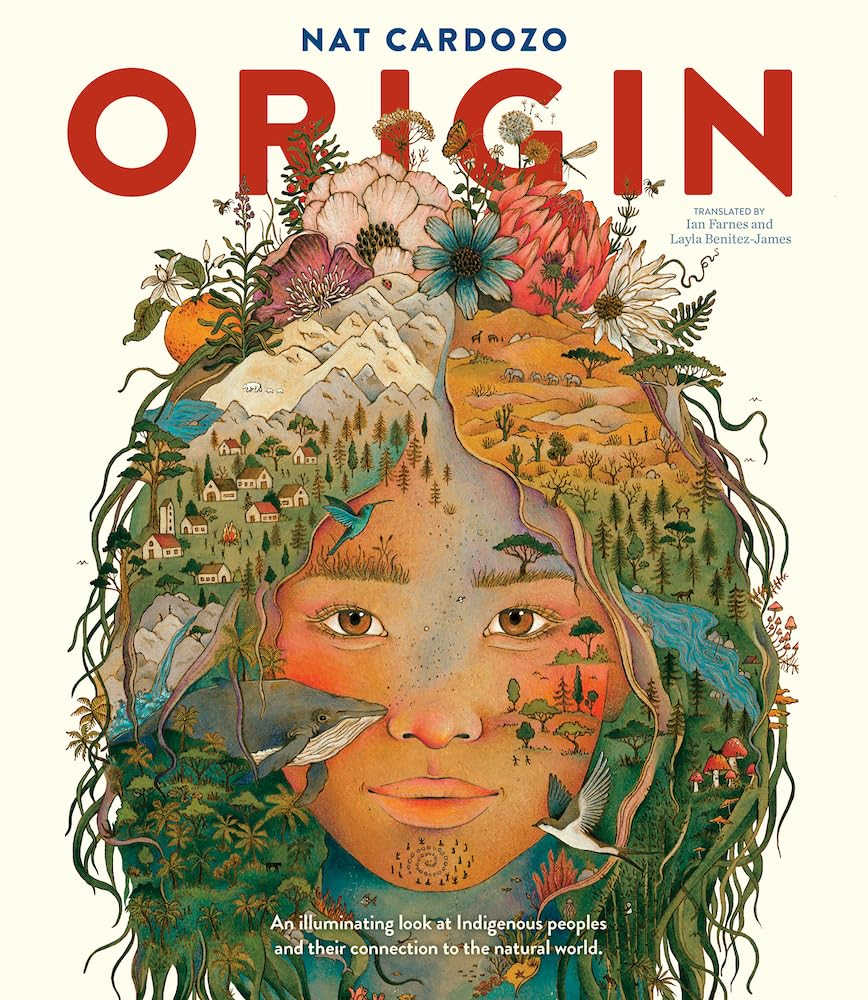
Some books quietly teach, while others invite you to slow down, look closer, and truly listen. Origin written and illustrated by Nat Cardozo is one of those rare children’s books that feels both gentle and powerful at the same time.
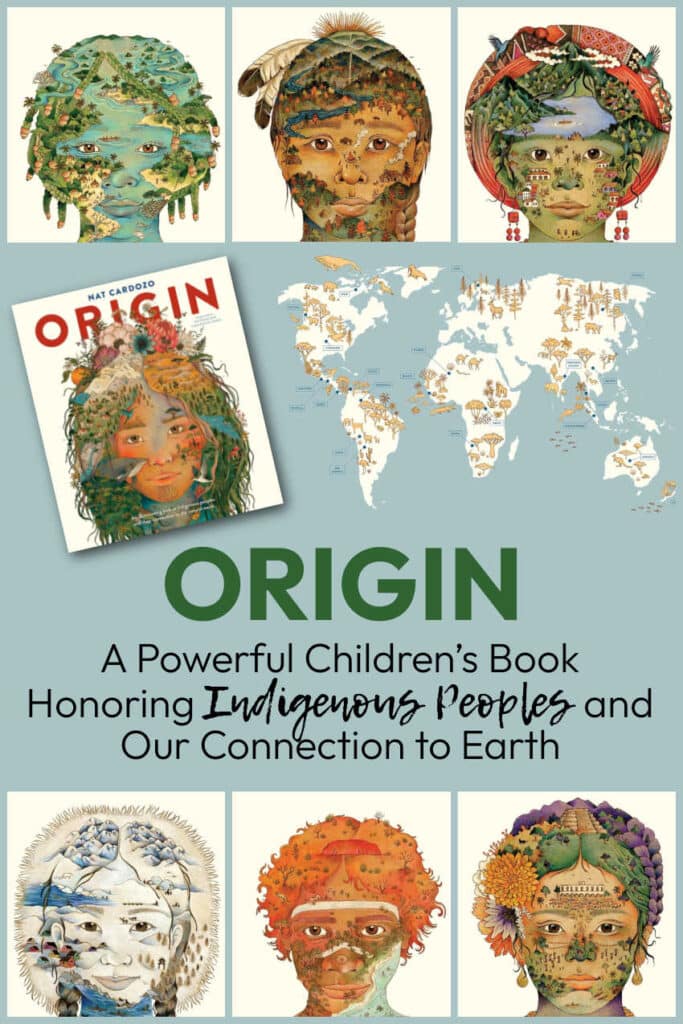
From the moment we opened it, my kids and I were drawn into its stunning artwork and the stories of Indigenous children from around the world—each one rooted deeply in their land, culture, and community.
This children’s book isn’t just about learning where people come from. It’s about understanding how we all belong to the Earth and how much wisdom exists in cultures that have cared for it for generations. Origin naturally sparks meaningful conversations about identity, respect, and our shared responsibility to the world we live in.
About the Book Origin by Nat Cardozo
Origin by Nat Cardozo takes on a journey of twenty-two Indigenous young people and discover how they are connected with their environments and striving to preserve their way of life.
Book Details
- Written and Illustration: Nat Cardozo
- Text Collaboration: María José Ferrada
- Translated by: Layla Benitez-James and Ian Farnes
- Publisher: Red Comet Press
Book Summary
Recommended Ages: 8–12
Grade Level: 3-7
Themes: Indigenous cultures, biodiversity, environmental stewardship, identity, global awareness
Origin introduces children to twenty-two Indigenous young people from communities around the world, highlighting their deep connections to land, language, and culture. Through stunning illustrations and thoughtful text, this book encourages students to slow down, observe, and reflect on how people and nature are interconnected. It’s an excellent resource for fostering respect for Indigenous peoples, promoting environmental awareness, and sparking meaningful discussions about caring for our planet.
Why This Book Stands Out
“Indigenous peoples inhabit a quarter of the world, nearly 15 million square miles (of the almost 57 million that make up Earth’s land surface) and are the custodians of eighty percent of Earth’s biodiversity.”
Origin – Nat Cardozo
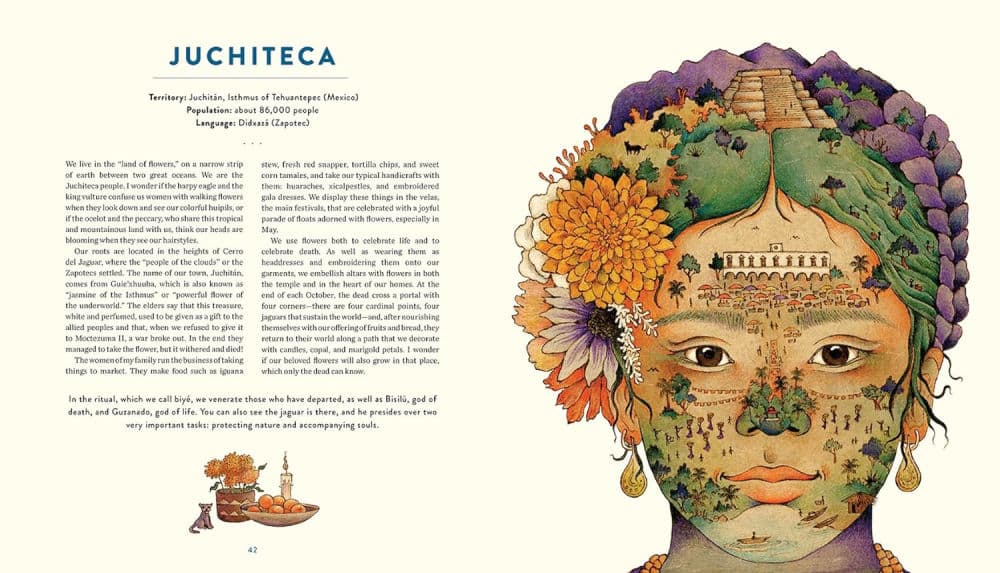
This book truly stopped us in our tracks. The illustrations are breathtaking, and each page introduces children from Indigenous communities around the world in such a meaningful way. My kids and I found ourselves lingering on every spread, noticing the details and talking about their daily lives, languages, and traditions. We learned so much just by slowing down and exploring together.
The stories and portraits they each share pay tribute to their resilience and bring to light the wisdom of cultures that have so much to teach us about caring for and respecting our precious planet.
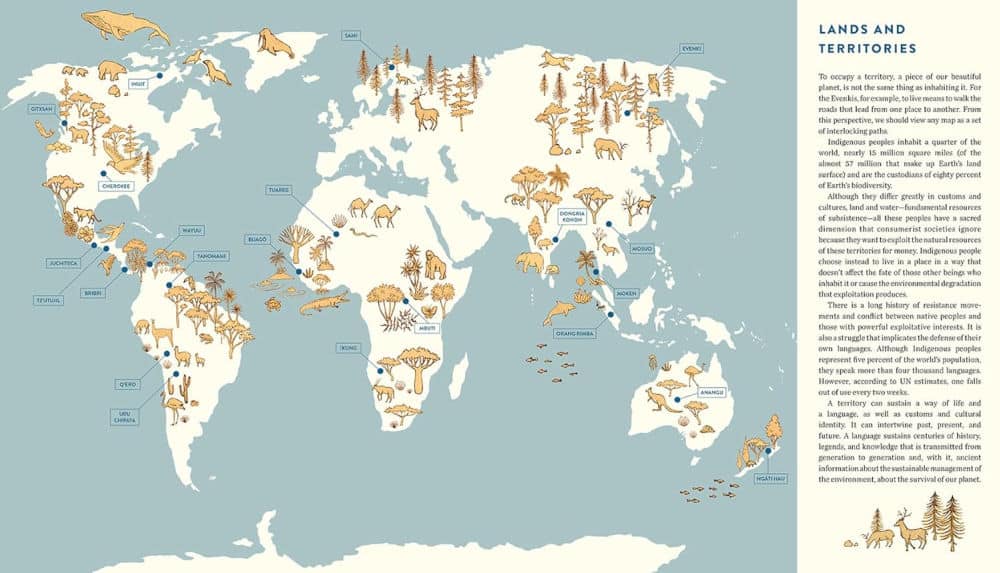
I love how they included a world map to include the lands and territories that each of these 22 Indigenous Peoples Tribes are located.
FUN FACT: “There are over 476 million indigenous people living in 90 countries across the world, accounting for 6.2 per cent of the global population. Of those, there are more than 5,000 distinct groups.” – United Nations
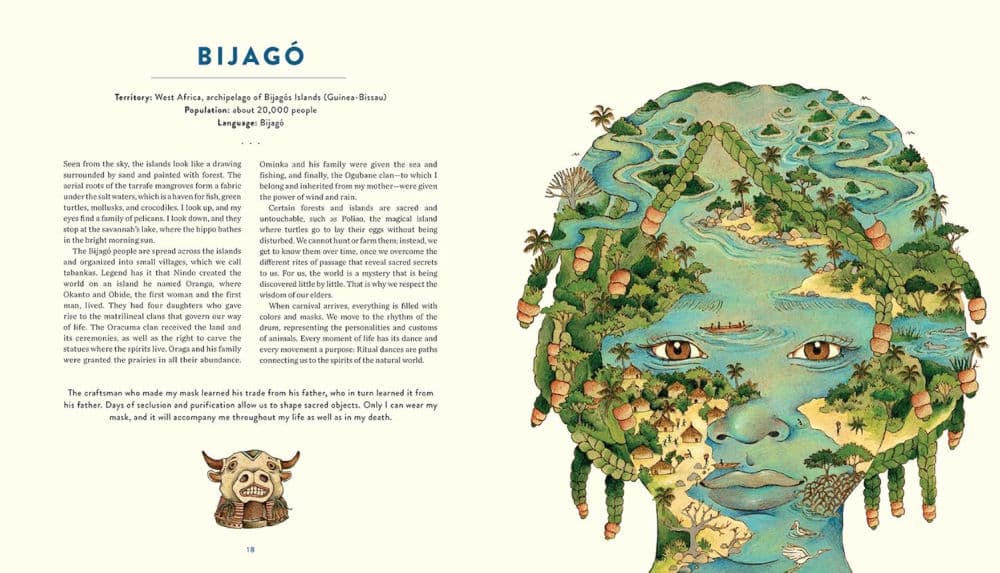
Indigenous Peoples Featured in Origin
The book highlights communities from all five continents, including:
!Kung • Orang Rimba • Inuit • Tuareg • Moken • Bijago • Evenki • Bribri • Anangu • Cherokee • Mosuo • Uru Chipaya • Wayuu • Q’ero • Tz’utujil • Ngati Hau • Sami • Mbuti • Juchiteca • Gitxsan • Dongria Kondh • Yanomami
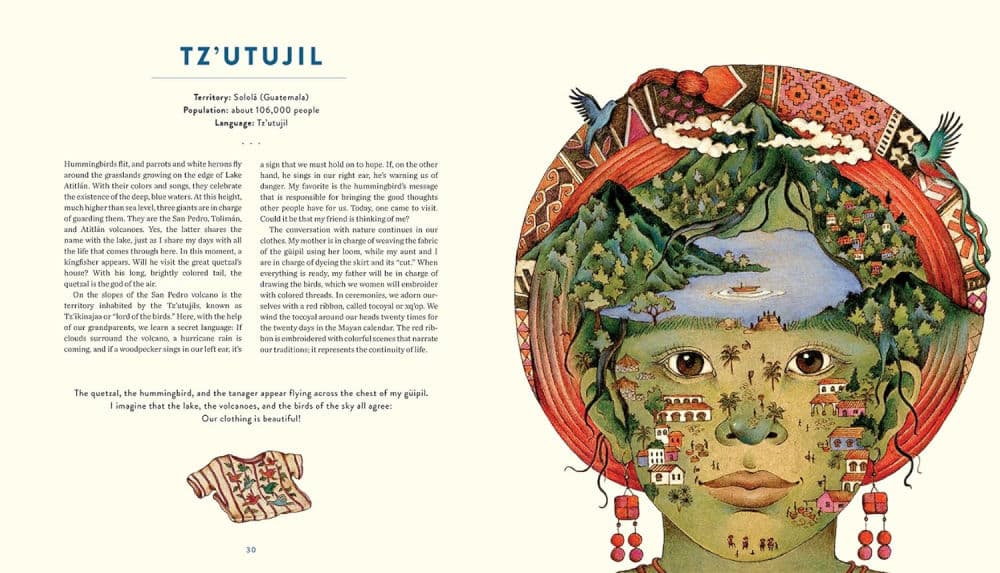
“It is the time to remember that nature lives inside each of us, and that we all come from the same origin.”
Origin – Nat Cardozo
Watch a Video Introduction to the Book
It’s the kind of book you don’t rush through—you sit with it, revisit it, and let conversations unfold naturally. I especially love how it highlights the deep connection between people and the natural world. This is a book I’m really happy to have in our home library and one I’ll definitely be sharing with others.
FUN FACT: “Indigenous People speak an overwhelming majority of the world’s estimated 7,000 languages and represent 5,000 different cultures.” – United Nations
Book Extension Activity for Kids: “Our Place on Earth” Connection Art Project
After reading Origin, invite children to reflect on their own connection to the world around them with this simple, meaningful activity.
Materials
- Paper or cardstock
- Crayons, markers, or colored pencils
- Optional: magazines, glue, scissors, natural materials (leaves, small twigs, sand)
Activity
- Talk together about how the children in Origin are connected to their environment—through water, land, animals, weather, language, and traditions.
- Ask your child:
– What places are important to you?
– What do you notice in nature where you live?
– How do you care for the Earth? - Have children draw themselves in the center of the page and surround their picture with images of what connects them to their environment—trees, animals, oceans, gardens, seasons, or special places in their community.
- Older children can add words or labels to describe why each connection matters.
This activity reinforces the book’s message that everyone belongs to the Earth and that our voices, choices, and actions matter.
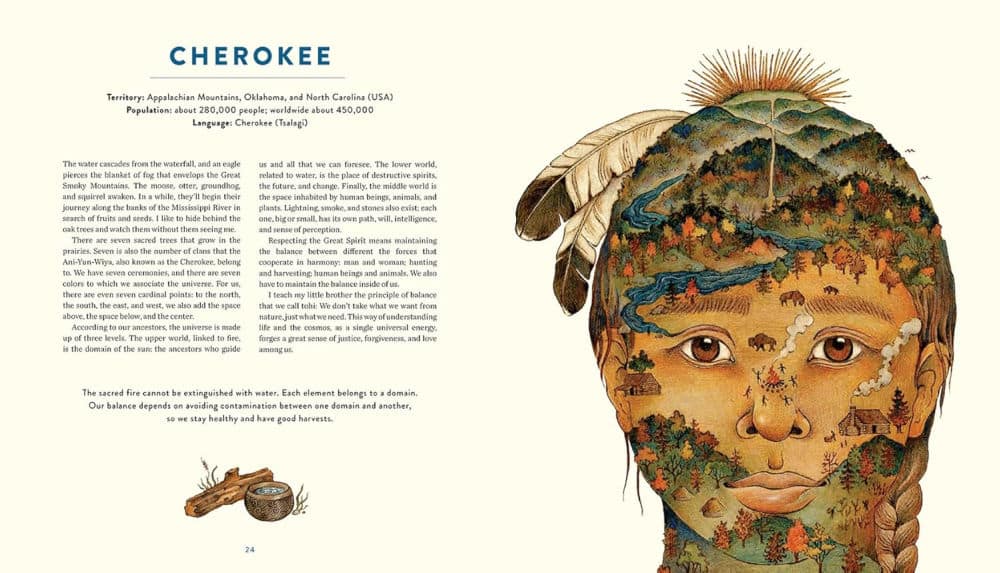
“You should know that you are unique, different, and important. Your voice and your decisions are too. You are part of this world, and the world is part of you.”
Origin – Nat Cardozo
Additional Activities & Learning Resources
- Weaving Projects for Kids Inspired by the Navajo Nation
- Museum of Northern Arizona
- Exploring Cultures from Around the World with Kids
- Top 10 Reasons I Love Watching my Children Learn About the Earth
- Planet Earth Water Color Project
Teaching About Indigenous Peoples
Every year on August 9, the International Day of the World’s Indigenous Peoples. is observed to raise awareness of Indigenous cultures and challenges.
- Red Comet Press – Origin References with Links to Learn More
- Resources for Teaching About Indigenous Peoples
- How to Honor Indigenous Peoples with Your Kids, Today and Every Day
- Lessons and Resources to Transform Teaching and Learning About Native Histories and Cultures
Final Thoughts About Origin by Nat Cardozo
Origin is a book I find myself returning to again and again—not just for its breathtaking illustrations, but for the important conversations it encourages. It gently reminds children (and adults) that we are all part of something bigger, connected not only to each other but to the land we live on.
Whether you’re reading this at home, in a classroom, or as part of a larger discussion about cultures and the environment, Origin offers a respectful and meaningful way to learn about Indigenous peoples while nurturing empathy, curiosity, and care for our planet. It’s a book that stays with you long after the final page—and one I wholeheartedly recommend sharing with children.
“Remembering that everything is connected, understanding that all living beings in this world from a whole and that we are all one.”
Origin – Nat Cardozo
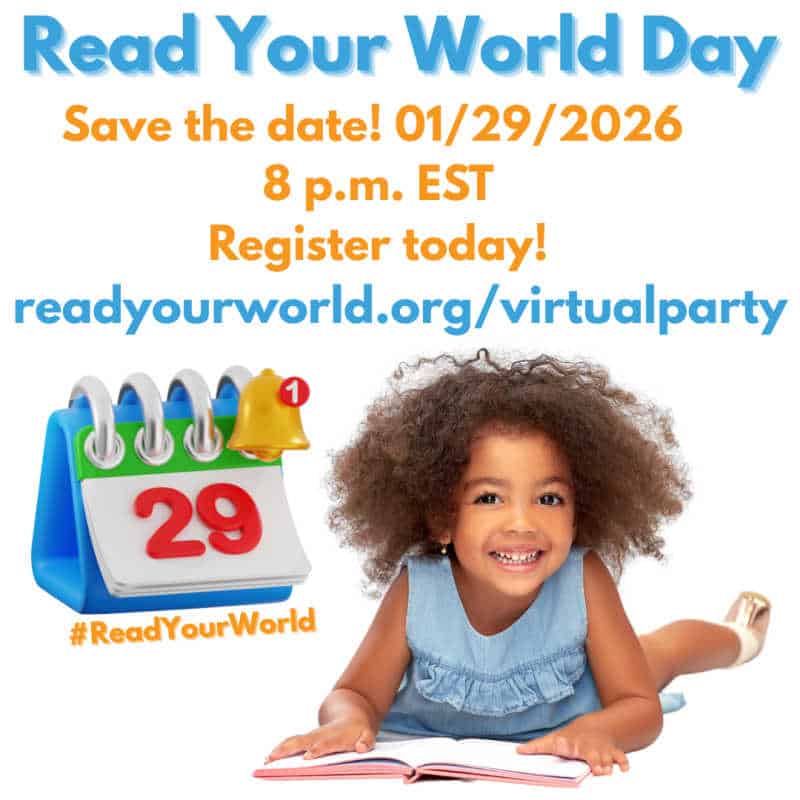
Read Your World 2026 (1/29/26) is in its 14th year! Valarie Budayr and Mia Wenjen founded this non-profit children’s literacy initiative; they are two diverse book-loving moms who saw a need to shine the spotlight on all of the multicultural diverse books and authors on the market while also working to get those books into the hands of young readers and educators.

Read Your World’s mission is to raise awareness of the need to include kids’ books celebrating diversity in homes and school bookshelves.
- Read about our Mission and History
- Read Your World Day Sponsors
- Free Resources from Read Your World
- Linky Party of All Book Reviews
- Register for the Read Your World Virtual Party: https://readyourworld.org/virtualparty.
Join us on Thursday, January 29, 2026, at 8 pm EST